
Lesson 4: Clean Environment
Contamination: The presence of microorganisms on an item or surface.
Cleaning: The process of removing all foreign material (i.e., dirt, body fluids, lubricants) from objects by using water and detergents or soaps and washing or scrubbing the object
Decontamination: The use of physical or chemical means to remove, inactivate, or destroy blood borne pathogens on a surface or item to the point where they are no longer capable of transmitting infectious particles.
Disinfect (Sanitize): The use of a chemical procedure that eliminates virtually all recognized pathogenic microorganisms but not necessarily all microbial forms (e.g., bacterial endospores) on inanimate objects.
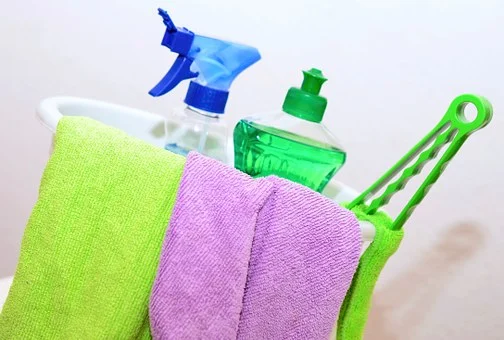
Environmental Cleaning Housekeeping
Follow manufacturers’ instructions for cleaning and maintaining noncritical medical equipment. In the absence of a manufacturer’s cleaning instructions, follow certain procedures.
Inform personnel involved in handling and disposal of potentially infective waste of possible health and safety hazards; ensure that they are trained in appropriate handling and disposal methods.
Cleaning Spills of Blood and Body Substances
Promptly clean and decontaminate spills of blood or other potentially infectious materials. Follow proper procedures for site decontamination of spills of blood or blood-containing body fluid. Use protective gloves and germicide.
Bleach is one of the most common cleaning solutions. Always purchase bleach 6 – 6.15% sodium hypochlorite. Bleach solutions should be made fresh each day it becomes weak when exposed to sunlight and air.
Practice routine cleaning of frequently touched surfaces. High touch surfaces include:
- Tables,
- doorknobs,
- light switches,
- countertops,
- handles,
- desks,
- phones,
- keyboards,
- toilets,
- faucets,
- sinks, etc.
How to Clean and Disinfect for COVID-19
Hard (Non-porous) Surfaces

Wear disposable gloves when cleaning and disinfecting surfaces. Gloves should be discarded after each cleaning. If reusable gloves are used, those gloves should be dedicated for cleaning and disinfection of surfaces for COVID-19 and should not be used for other purposes. Consult the manufacturer’s instructions for cleaning and disinfection products used. Wash hands immediately after gloves are removed.
- If surfaces are dirty, they should be cleaned using a detergent or soap and water prior to disinfection.
- For disinfection, most common EPA-registered household disinfectants should be effective.
- A list of products that are EPA-approved for use against the virus that causes COVID-19.
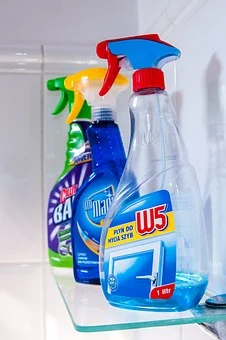
- A list of products that are EPA-approved for use against the virus that causes COVID-19.
- Follow manufacturer’s instructions for all cleaning and disinfection products for (concentration, application method and contact time, etc.). For example, Lysol All Purpose Cleaner kills the human coronavirus in 2 minutes, Lysol Neutra Air® 2 in 1 kills human coronavirus in 30 seconds or half a minute; Clorox QS kills human coronavirus in 2 minutes. (EPA, 2020)
- Additionally, diluted household bleach solutions (at least 1000ppm sodium hypochlorite) can be used if appropriate for the surface. Follow manufacturer’s instructions for application, ensuring a contact time of at least 1 minute, and allowing proper ventilation during and after application. Check to ensure the product is not past its expiration date. Never mix household bleach with ammonia or any other cleanser. Unexpired household bleach will be effective against coronaviruses when properly diluted.
- Prepare a bleach solution by mixing:
- 5 tablespoons (1/3rd cup) bleach per gallon of water or
- 4 teaspoons bleach per quart of water
- Bleach solutions will be effective for disinfection up to 24 hours. (CDC, 2020)
Soft (Porous) Surfaces
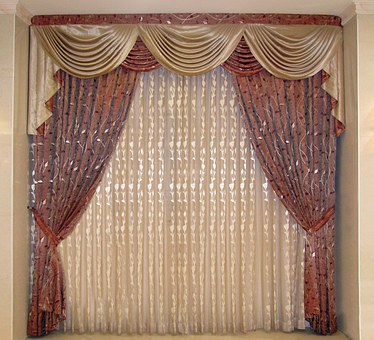
- For soft (porous) surfaces such as carpeted floor, rugs, and drapes, remove visible contamination if present and clean with appropriate cleaners indicated for use on these surfaces. After cleaning:
- Launder items as appropriate in accordance with the manufacturer’s instructions. If possible, launder items using the warmest appropriate water setting for the items and dry items completely.
- Otherwise, use EPA-approved products for COVID-19 (or whatever organism is infectious at the time) and that are suitable for porous surfaces. (CDC, 2020)
- Launder items as appropriate in accordance with the manufacturer’s instructions. If possible, launder items using the warmest appropriate water setting for the items and dry items completely.
Electronics
- For electronics such as cell phones, tablets, touch screens, remote controls, and keyboards, remove visible contamination if present.
- Follow the manufacturer’s instructions for all cleaning and disinfection products.
- Consider use of wipeable covers for electronics.
- If no manufacturer guidance is available, consider the use of alcohol-based wipes or sprays containing at least 70% isopropanol alcohol to disinfect touch screens. Dry surfaces thoroughly to avoid pooling of liquids. (CDC, 2020)
Linens, clothing, and other items that go in the laundry
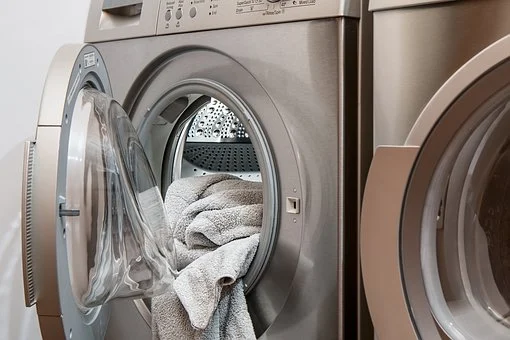
- Wear disposable gloves when handling dirty laundry from an ill person and then discard after each use. If using reusable gloves, those gloves should be dedicated for cleaning and disinfection of surfaces for COVID-19 and should not be used for other household purposes. Wash hands immediately after gloves are removed.
- If no gloves are used when handling dirty laundry, be sure to wash hands afterwards.
- If possible, do not shake dirty laundry. This will minimize the possibility of dispersing virus through the air.
- Launder items as appropriate in accordance with the manufacturer’s instructions. If possible, launder items using the warmest appropriate water setting for the items and dry items completely. Dirty laundry from an ill person can be washed with other people’s items.
- Clean and disinfect clothes hampers according to guidance above for surfaces. If possible, consider placing a bag liner that is either disposable (can be thrown away) or can be laundered. (CDC, 2020)
Other considerations
- The ill person should eat/be fed in their room if possible. Non-disposable food service items used should be handled with gloves and washed with hot water or in a dishwasher. Wash hand after handling used food service items.
- If possible, dedicate a lined trash can for the ill person. Use gloves when removing garbage bags, handling, and disposing of trash. Wash after handling or disposing of trash.
- Consider consulting with your local health department about trash disposal guidance if available.
Clean
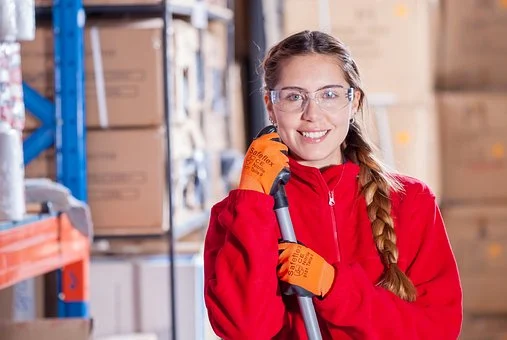
- Wear reusable or disposable gloves for routine cleaning and disinfection.
- Clean surfaces using soap and water, then use disinfectant.
- Cleaning with soap and water reduces number of germs, dirt and impurities on the surface. Disinfecting kills germs on surfaces.
- Practice routine cleaning of frequently touched surfaces. High touch surfaces include:
- Tables, doorknobs, light switches, countertops, handles, desks, phones, keyboards, toilets, faucets, sinks, etc.
Disinfect
- Recommend use of EPA-registered household disinfectant external icon. Follow the instructions on the label to ensure safe and effective use of the product. Read EPA’s infographic on how to use these disinfectant products external icon safely and effectively. Many products recommend:
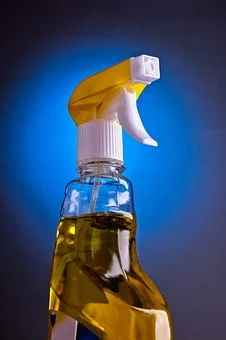
- Keeping surface wet for a period of time (see product label)
- Precautions such as wearing gloves and making sure you have good ventilation during use of the product
- Diluted household bleach solutions may also be used if appropriate for the surface.
- Check the label to see if your bleach is intended for disinfection, and ensure the product is not past its expiration date. Some bleaches, such as those designed for safe use on colored clothing or for whitening may not be suitable for disinfection. Unexpired household bleach will be effective against coronaviruses when properly diluted.
- Follow manufacturer’s instructions for application and proper ventilation. Never mix household bleach with ammonia or any other cleanser.
Check your Personal Protective Equipment – If they are visibly worn or torn, don’t wear them!
Wearing gloves outside of these instances (for example, when using a shopping cart or using an ATM) will not necessarily protect you from getting COVID-19 and may still lead to the spread of germs. The best way to protect yourself from germs when running errands and after going out is to regularly wash your hands with soap and water…Practice routine cleaning of frequently touched surfaces. High touch surfaces include: Tables, doorknobs, light switches, countertops, handles, desks, phones, keyboards, toilets, faucets, sinks, etc. (CDC, 2020c). [If you prefer to wear gloves outside, remember that anywhere you touch with contaminated gloves will be contaminated (car door, purse, wallets, bags, phones, face, clothes, etc.). Remove gloves as shown in the video, sanitize surfaces, and wash your hands with soap and water for 20 to 40+ seconds.]
Prohibit self-serve foods, including hot bars, cold bars and buffets (Kings County, 2020). You should always properly wash your fruits and vegetables and cook meats to the minimum recommended cooking temperature. The food inside of a can or factory-sealed package, such as the cereal inside your cereal box, should be safe from coronavirus contamination. After unpacking your groceries, be sure to: Use household cleaner or a diluted bleach solution to disinfect your kitchen surfaces, including counters and the door handles of your cabinets, pantry and refrigerator. Wash your hands thoroughly with soap and water. (Houston Methodist, 2020).
Do NOT use disinfectants designed for hard surfaces, such as bleach or ammonia, on food packaged in cardboard or plastic wrap. If reusable cloth bags become soiled, follow instructions for washing them, and dry them on the warmest appropriate setting (CDC, 2020c).
Handling and cleaning fresh produce:
- Wash fruits and vegetables
- handle meats and seafood carefully and refrigerate
- Do NOT wash produce with soap, bleach, sanitizer, alcohol, disinfectant or any other chemical (CDC, 2020d).
Use Proper Body Mechanics
During the pandemic, employees are doing more pulling, lifting, and bending. It is important to prevent injuries from poor body mechanics.
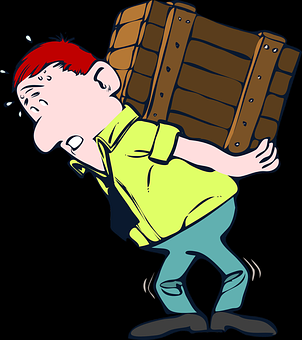
Body Mechanics Video
Click on the link provided below to watch the required video.
https://www.youtube.com/watch?v=Zq97LFOSbVI
**Disinfectants are regulated by the U.S. Environmental Protection Agency (EPA). You can use a disinfectant after cleaning for surfaces that have visible blood or drainage from infected skin. All EPA-registered products must have an EPA registration number. The EPA Reg. No. of a product can be more useful than its brand name for identifying the EPA-registered product. Alternative brand names have the same EPA Reg. No. as the primary product. The EPA Reg. No. of a product for primary registrants consists of two set of numbers separated by a hyphen, for example EPA Reg. No. 12345-12. The first set of numbers refers to the registrant’s company identification number, and the second set of numbers represents the product number (EPA, 2018).**
Check EPA for solutions at https://www.epa.gov/pesticide-registration/list-n-disinfectants-use-against-sars-cov-2
Check Lysol products for COVID-19 Effectiveness at https://www.lysol.com/products/
Well done! Follow safety precautions and information. Let us keep working together and keep each other safe!

References
Andreano, C. (2020). Dr. Fauci: Wear goggles or eye shields to prevent spread of COVID-19; flu vaccine a must. Retrieved from https://abcnews.go.com/US/dr-fauci-wear-goggles-eye-shields-prevent-spread/story?id=72059055
CDC (2002) MMWR October 25, 2002/ 51/No. RR-16. Guideline for Hand Hygiene in Health Care Setting. http://www.cdc.gov/mmwr/PDF/rr/rr5116.pdf
CDC. (2005). Fact Sheet for SARS Patients and Their Close Contacts. Retrieved from https://www.cdc.gov/sars/about/fs-closecontact.html
CDC (2007) Guidance for the Selection and Use of Personal Protective Equipment (PPE) in Healthcare Settings. http://www.cdc.gov/ncidod/dhqp/pdf/ppe/PPEslides6-29-04.pdf
CDC, (2016). Transmission-Based Precautions. Retrieved from https://www.cdc.gov/infectioncontrol/basics/transmission-based-precautions.html
CDC. (2020). Symptoms of Coronavirus. Retrieved from https://www.cdc.gov/coronavirus/2019-ncov/symptoms-testing/symptoms.html
CDC. (2020b). Hand Hygiene Recommendation. Retrieved from https://www.cdc.gov/coronavirus/2019-ncov/hcp/hand-hygiene.html
CDC. (2020c). Cleaning and Disinfecting your Home. Retrieved from https://www.cdc.gov/coronavirus/2019-ncov/prevent-getting-sick/disinfecting-your-home.html
CDC. (2020d). Food and Coronavirus Disease 2019 (COVID-19). Retrieved from https://www.cdc.gov/coronavirus/2019-ncov/daily-life-coping/food-and-COVID-19.html
Chu, D. Akl, E. et al. (2020). Physical distancing, face masks, and eye protection to prevent person-to-person transmission of SARS-CoV-2 and COVID-19: a systematic review and meta-analysis. The Lancet. Vol 395, Issue 10242, p. 197-1987. DOI:https://doi.org/10.1016/S0140-6736(20)31142-9. Retrieved https://www.thelancet.com/journals/lancet/article/PIIS0140-6736(20)31142-9/fulltext#%20
Cleveland Clinic. (2020). Skin Rashes: An Emerging Symptom of COVID-19
EPA. (2020). List of N: Disinfectants for Use Against SARS-COVID-19. Retrieved from https://www.epa.gov/pesticide-registration/list-n-disinfectants-use-against-sars-cov-2
FDA. (2020). FDA advises consumers not to use hand sanitizer products manufactured by Eskbiochem. Retrieved from https://www.fda.gov/drugs/drug-safety-and-availability/fda-advises-consumers-not-use-hand-sanitizer-products-manufactured-eskbiochem
Fottrell, Q. (August 5, 2020). Asymptomatic coronavirus transmission appears worse than SARS or influenza — a runner can leave a ‘slipstream’ of 30 feet. Retrieved from https://www.marketwatch.com/story/asymptomatic-transmission-of-coronavirus-may-be-worse-than-sars-or-influenza-2020-06-12?siteid=yhoof2&yptr=yahoo
King County. (2020). Downloadable Signs to Print and Post. Retrieved from https://www.kingcounty.gov/depts/health/covid-19/care/posters.aspx
Lee, Jesse Yeji. (2020). COVID toes’ might be the latest unusual sign that people are infected with the novel coronavirus. Retrieved from https://www.businessinsider.com/covid-toes-frostbite-coronavirus-skin-lesion-discolored-swollen-feet-2020-4
Mayo Clinic. (2020). Coronavirus disease (COVID-19). Retrieved from https://www.mayoclinic.org/diseases-conditions/coronavirus/symptoms-causes/syc-204799
McCallum, K. (April 21, 2020). Coronavirus: Do I need to disinfect groceries. Retrieved from https://www.houstonmethodist.org/blog/articles/2020/apr/coronavirus-do-i-need-to-disinfect-my-groceries/
MNDOH. (2020). Airborne Precautions. Retrieved from https://www.health.state.mn.us/facilities/patientsafety/infectioncontrol/pre/airborne.html
National Jewish Health. (2020). COVID-19 (Coronavirus) and your lungs. Retrieved from https://www.nationaljewish.org/patients-visitors/patient-info/important-updates/coronavirus-information-and-resources/health-tips/about-covid-19/covid-19-and-your-lungs
National Safety Council. (April 24, 2020). Aerosol transmission of COVID-19 can exceed 6 feet, shoes can spread coronavirus on floors: study. Retrieved from https://www.safetyandhealthmagazine.com/articles/19770-aerosol-transmission-of-covid-19-can-exceed-6-feet-shoes-can-spread-coronavirus-on-floors-study
NYC Health. (2020). COVID-19: Coping and Emotional Well-being. Retrieved from https://www1.nyc.gov/site/doh/covid/covid-19-mental-health.page
NYC Health. (2020b). Coronavirus Disease 2019 (COVID-19). Retrieved from https://www1.nyc.gov/site/doh/covid/covid-19-main.page?utm_source=Google_Search&utm_medium=English&utm_campaign=Coronavirus
Peachman, R. (2020). What to Know About Fever and COVID-19. Retrieved from https://www.consumerreports.org/medical-symptoms/fever-and-covid-19-what-to-know/
University of Michigan. (2020). Seeking Medical Care During COVID-19. Retrieving from https://www.uofmhealth.org/coronavirus/seeking-medical-care-covid-19
US FDA. (2020). FDA updates on hand sanitizers consumers should not use. Retrieved from https://www.fda.gov/drugs/drug-safety-and-availability/fda-updates-hand-sanitizers-consumers-should-not-use#products
Van Beusekom, M. (April 13, 2020). Study finds evidence of COVID-19 in air, on hospital surfaces. Center for Infectious Disease and Policy. University of Minnesota. Retrieved from https://www.cidrap.umn.edu/news-perspective/2020/04/study-finds-evidence-covid-19-air-hospital-surfaces
What clinicians need to know about cutaneous manifestations of COVID-19. Retrieved from https://consultqd.clevelandclinic.org/skin-rashes-an-emerging-symptom-of-covid-19/
WHO. (2020). Q & A on Coronavirus (COVID-19). Retrieved from https://www.who.int/emergencies/diseases/novel-coronavirus-2019/question-and-answers-hub/q-a-detail/q-a-coronaviruses
Wu P, Duan F, Luo C, et al. Characteristics of Ocular Findings of Patients With Coronavirus Disease 2019 (COVID-19) in Hubei Province, China. JAMA Ophthalmol. 2020;138(5):575–578. doi:10.1001/jamaophthalmol.2020.1291 . Retrieved from https://jamanetwork.com/journals/jamaophthalmology/fullarticle/2764083