
Element 3
BEST PREVENTION METHODS

According to CDC (2002):
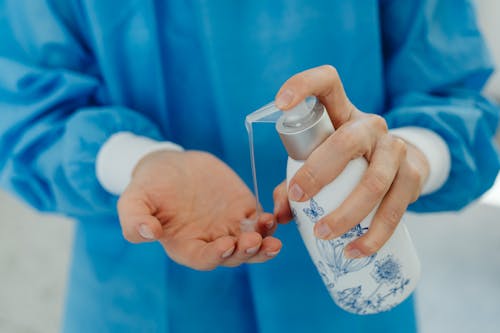
Alcohol-based hand rubs are the most efficacious agents for reducing the number of bacteria on the hands of personnel. Antiseptic soaps and detergents are the next most effective and non-antimicrobial soaps are the least effective. Soap and water are recommended for visibly soil hands. Alcohol-based hand rubs are recommended for routine decontamination of hands.
Selection of Hand-Hygiene Agents
- Provide personnel hand-hygiene products that have low irritancy potential, particularly when these products are used multiple times per day.
- When selecting non-antimicrobial soaps, antimicrobial soaps, or alcohol-based hand rubs, solicit information from manufacturers regarding any known interactions between products used to clean hands, skin care products, and the types of gloves used in your setting.
- Before making purchasing decisions, evaluate the dispenser systems of various product manufacturers or distributors to ensure that dispensers function adequately and deliver an appropriate volume of product. Do not add soap to a partially empty soap dispenser. This practice of “topping off” dispensers can lead to bacterial contamination of soap.

To access Hand Washing video, click here – https://www.youtube.com/watch?v=IisgnbMfKvI
Importance of Hand Hygiene
Certain parts of the hand and nail bed harbor great numbers of bacteria namely staphylococci, gram-negative rods, and yeasts. Consequently, long fingernails and artificial nails should be contraindicated for some setting such as healthcare. Studies done by the CDC have shown that chipped polished nails harbor large numbers of germs (2002).
Hand-Hygiene Technique
- When decontaminating hands with an alcohol-based hand rub, apply product to palm of one hand and rub hands together, covering all surfaces of hands and fingers, until hands are dry. Follow the manufacturer’s recommendations regarding the volume of product to use.
- When washing hands with soap and water, wet hands first with water, apply an amount of product recommended by the manufacturer to hands, and rub hands together vigorously for at least 20 seconds (World Health Organization recommends almost 42 seconds), covering all surfaces of the hands and fingers. Rinse hands with water and dry thoroughly with a disposable towel. Use towel to turn off the faucet. Avoid using hot water, because repeated exposure to hot water may increase the risk of dermatitis (skin irritation).
- Liquid, bar, leaflet or powdered forms of plain soap are acceptable when washing hands with a non-antimicrobial soap and water. When bar soap is used, soap racks that facilitate drainage and small bars of soap should be used. Multiple-use cloth towels of the hanging or roll type are not recommended for use in health-care settings (CDC, 2002). It would not be advised in any setting due to the pandemic.
Hand hygiene is an important part of the U.S. response to the international emergence of COVID-19. Practicing hand hygiene, which includes the use of alcohol-based hand rub (ABHR) or handwashing, is a simple yet effective way to prevent the spread of pathogens and infections in healthcare settings. (CDC, 2020b)

Alcohol-based Hand Rub (ABHR) effectively reduces the number of pathogens that may be present on the hands of healthcare providers after brief interactions with patients or the care environment. (CDC, 2020b)
Methods
- CDC recommends using (alcohol-based hand rub) ABHR with greater than 60% ethanol or 70% isopropanol in healthcare settings. Unless hands are visibly soiled, an alcohol-based hand rub is preferred over soap and water in most clinical situations due to evidence of better compliance compared to soap and water. Hand rubs are generally less irritating to hands and are effective in the absence of a sink.
- Hands should be washed with soap and water for at least 20 seconds when visibly soiled, before eating, and after using the restroom. (CDC, 2020b)

Factors causing lack of Hand washing:
- Hand washing agents cause irritation and dryness
- Sinks are inconveniently located/shortage of sinks
- Lack of soap and paper towels
- Often too busy/insufficient time
- Understaffing/overcrowding
- Hand hygiene interferes with health-care worker relationships with patients
- Wearing of gloves/beliefs that glove use stop the need for hand hygiene
- Lack of knowledge of guidelines/protocol (CDC, 2002)
 Read “Hand Sanitizer out and about” handout – https://www.cdc.gov/handwashing/pdf/HandSanitizer-p.pdf
Skin care
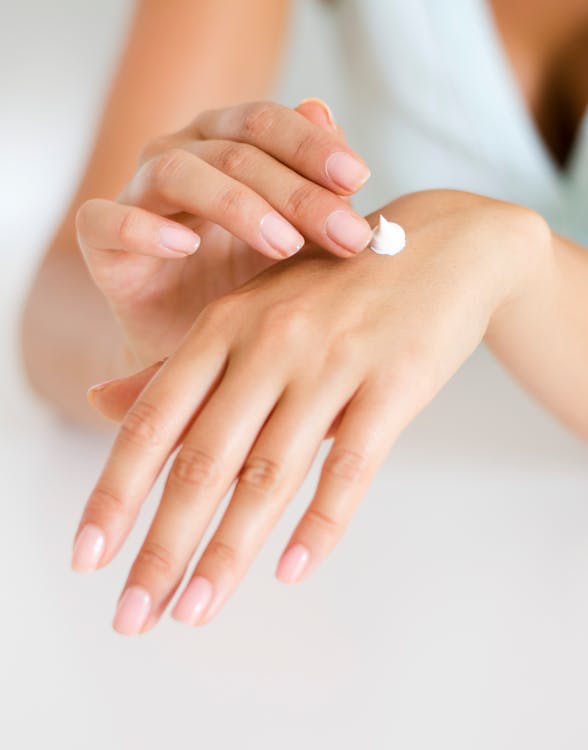
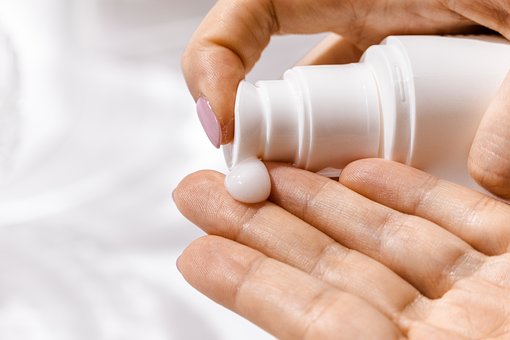
To minimize the occurrence of irritant contact dermatitis associated with hand antisepsis or hand washing, hand lotions and creams may be used. Information should be obtained from manufacturers regarding any effects that hand lotions, creams, or alcohol-based hand antiseptics.
IMPORTANT SUGGESTIONS:
- Keep natural nails tips less than 1/4-inch long.
- Wear gloves when contact with blood or other potentially infectious materials, mucous membranes, and non-intact skin could occur.
- Do not wash disposable gloves.
- No recommendation can be made regarding wearing rings in health-care settings. (CDC, 2002)
- Avoid petroleum-based lotion if latex gloves are being used.
**To improve hand-hygiene adherence among personnel who work in areas in which high workloads and high intensity of current pandemic, make an alcohol-based hand rub available in convenient locations, and in individual pocket-sized containers.**

GLOVES
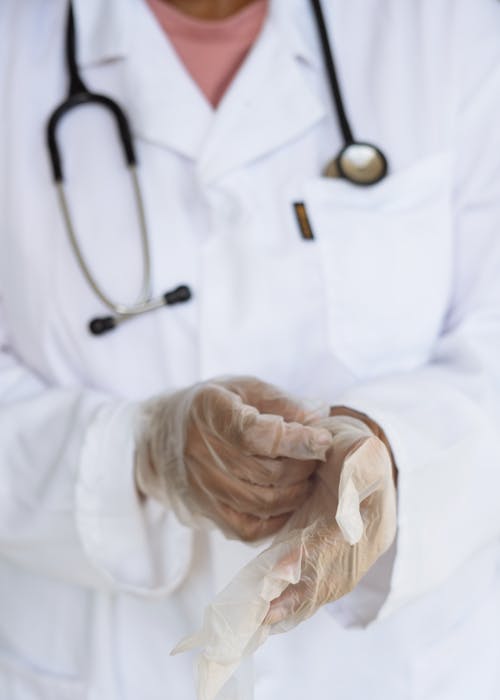
Gloves are used during childcare care, environmental services, and for other purposes. Gloves can be made from vinyl, latex, nitrile, and be sterile or non-sterile. Gloves may be for a single use or reusable. Because of allergy concerns, some facilities have eliminated or limited latex products, including gloves, and now use gloves made of nitrile or other material. Vinyl gloves are also frequently available. However, some gloves do not provide a snug fit on the hand, especially around the wrist, and therefore should not be used if extensive contact is likely. Gloves should fit the user’s hands comfortably – they should not be too loose or too tight. They also should not tear or damage easily. When using gloves work from “clean to dirty”, limit opportunities for “touch contamination”, protect yourself, others, and the environment, don’t touch your face or adjust PPE (personal Protective equipment) with contaminated gloves, and don’t touch environmental surfaces except as necessary during patient care (CDC, 2007a).
Gloves protect you against contact with infectious materials. However, once contaminated, gloves can become a means for spreading infectious materials to you or environmental surfaces. Therefore, the way gloves are worn can influence the risk of disease spreading in your setting. These are the most important do’s and don’ts of glove use. Work from clean to dirty. This is a basic principle of infection control. In this instance, it refers to touching clean body sites or surfaces before you touch dirty or heavily contaminated areas. Limit opportunities for “touch contamination” – protect yourself, others and environmental surfaces. How many times have you seen someone adjust their glasses, rub their nose or touch their face with gloves that have been in contact with a patient? This is one example of “touch contamination” that can potentially expose oneself to germs. Think about environmental surfaces too and avoid unnecessarily touching them with contaminated gloves. Surfaces such as light switches, door and cabinet knobs can become contaminated if touched by soiled gloves (CDC, 2007a).
Change Gloves:
-
- During use if torn and when heavily soiled
- After use on each child
- Discard in appropriate receptacle
- Never wash or reuse disposable gloves (CDC, 2007a)
Change gloves as needed. If gloves become torn or heavily soiled and additional tasks must be performed, then change the gloves before starting the next task. Always change gloves after use and discard them in the nearest appropriate receptacle. Patient care gloves should never be washed and used again. Washing gloves does not necessarily make them safe for reuse; it may not be possible to eliminate all microorganisms and washing can make the gloves more prone to tearing or leaking (CDC, 2007a).

To access “Putting on and Removing gloves” video, click here: https://www.youtube.com/watch?v=2U4iYG2Qrhg
 APRONS
Aprons are used when spraying or splashing is anticipated. Aprons can be natural or man-made, reusable or disposable, stop fluid passing through, and clean or sterile (CDC, 2007a).

MASK
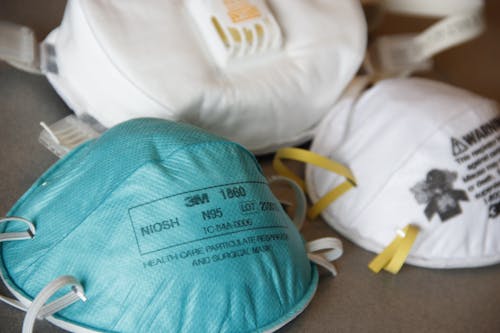
A facemask is a loose-fitting, disposable device that creates a physical barrier between the mouth and nose of the wearer and potential contaminants in the immediate environment. They may come with or without a face shield. If worn properly, a facemask is meant to help block large-particle droplets, splashes, sprays or splatter that may contain germs (viruses and bacteria), keeping it from reaching your mouth and nose. Facemasks may also help reduce exposure of your saliva and respiratory secretions to others. An N95 respirator is a respiratory protective device designed to achieve a very close facial fit and very efficient filtration of airborne particles.

Goggles
Goggles provide barrier protection for the eyes; personal prescription lenses do not provide optimal eye protection and should not be used as a substitute for goggles.
Goggles should fit snuggly over and around the eyes or personal prescription lenses.
Goggles with anti-fog features will help maintain clarity of vision. A face shield can be used as a substitute to wearing a mask or goggles. The face shield should cover the forehead, extend below the chin, and wrap around the side of the face (CDC, 2007).

To access “Putting on and Removing Personal Protective Equipment (PPE)” video, click here – https://www.youtube.com/watch?v=cCzwH7d4Ags
Read “Personal Protective Equipment (PPE) Handout from the Centers for Disease Control” – Download the following handout and keep it https://www.cdc.gov/hai/pdfs/ppe/ppe-sequence.pdf


Measures to Promote Good Hygiene in the Workplace:
To reduce the risk of infectious diseases in work settings, workplaces should meet certain criteria that promote good hygiene. For example:
- Are there sinks for handwashing as needed?
- Are there separate sinks for preparing food and washing hands? Is food handled in areas separate from the toilets?
- Are the toilets and sinks clean and readily available to staff?
- Are disposable paper towels used?
- Are all doors and cabinet handles cleaned and disinfected at the end of every day?
- Are staff fully immunized (taken vaccines or shots), especially against the flu?
- Is food prepared on site properly handled?
- Is staff instructed to wash their hands throughout the day, including:
- When they arrive to work
- Before and after handling food, or eating
- After using the toilet
- After wiping nose or mouth or tending to a cut or sore
- After handling wastebaskets or garbage
- After handling a pet or other animal
Perform a quick health assessment on yourself each day. It also identifies problems early and reduce the spread of infection.

Signs to Observe
When conducting a health check, you should watch for the following:
- General mood and changes in behavior (sluggish, sleepy)
- Fever or elevated body temperature (sweating or chills)
- Skin rashes, itchy skin, unusual spots, swelling or bruises
- Complaints of pain and not feeling well
- Other signs and symptoms of disease (such as severe coughing, sneezing, breathing difficulties, discharge (stud running) from nose, or eyes, diarrhea, vomiting and so on)
- Don’t go to work. Stay home until you feel better and if necessary, consult with a medical professional if you don’t feel well

Use All Your Senses to Check for Signs of Illness
- Listen to your body and how you are feeling.
- Is your voice hoarse? Are you having trouble breathing, or coughing?
- Does your skin look pale, have a rash or sores, a runny nose or eyes?
- Feel your cheek and neck for warmth or clamminess (sweaty).
- Do you feel like throwing up or vomited? Or have decreased appetite?
- Have you had more frequent and loose bowel movement?
Using Findings to Make Decisions :
If you have concerns about how you look or feel, discuss these problems with your doctor.

Good Hygiene Practices at Work
Personal steps:
- Use proper hand washing.
- Wash hands frequently
- Use proper cleaning and disinfecting methods.
- Cover open wounds.
- Stay home if you are ill.
- Get seasonal flu vaccine.
- Cover their mouth and nose with a tissue when coughing or sneezing or cough or sneeze into your elbow rather than hands when without a tissue. Put used tissues in a waste basket.
- Avoid touching their eyes, nose, and mouth with their hands.
- Cover open wounds and skin trauma such as abrasions or cuts with a clean dry bandage until healed.
Provide time needed for all staff to wash hands frequently. To remove germs from hands, 20 seconds of rubbing with warm water and soap is required. Alcohol- based hand sanitizers (at least 70% isopropanol alcohol) and wipes are acceptable if soap and water is not available, but washing with soap and water is best.
**[To cleaning your hands with an alcohol based gel, you rub them together until all of the gel has evaporated and your hands are dry – allowing your hands to dry. Drying provides the full antiseptic effect.]**

When hand washing is necessary:
- When you arrive for work
- After using the bathroom
- Before preparing food or eating
- After touching an infected wound
- After sneezing into hands

When hand sanitizer and hand wipes are acceptable:
- After blowing nose.
- Coughing into hands as long as there is no visible nasal discharge or saliva.
- Touching something that might be contaminated, a keyboard, door knob, railing, etc.
Alcohol-based hand sanitizers should be at least 70% isopropanol alcohol to be effective.

After work:
- Remove shoes and place in a bag by door
- Wash hands immediately
- Place jacket in an area away from other clothes
- Wash face and take a shower as soon as able. Put worn clothes in laundry bag
** Wash clothes in hot water and add small amount disinfectants if available.**
EMERGENT DISEASES

What is COVID-19?
COVID-19 is the infectious disease caused by the most recently discovered coronavirus. This new virus and disease were unknown before the outbreak began in Wuhan, China, in December 2019. COVID-19 is now a pandemic affecting many countries globally. (WHO, 2020)
COVID-19 is spread by air, on surfaces, and through respiratory droplets expelled by someone who is coughing or has other symptoms such as fever or tiredness. Many people with COVID-19 experience only mild symptoms. This is particularly true in the early stages of the disease. It is possible to catch COVID-19 from someone who has just a mild cough and does not feel ill. (WHO, 2020)

At-Risk Populations
In any population, there are certain individuals who may have a higher risk of complications if exposed to specific diseases. Clients and employees with anemia or immunodeficiencies (low resistance, easily catch stuff), and those who are pregnant are all considered “high risk.” Also, those who have chronic disease (such as hypertension, diabetes, asthma, anemia), diet lacking important nutrients, or severely ill should also be informed of the possible risks of acquiring an infection. Whenever there is increased risk of exposure to an infectious disease and consult with your licensed health care provider. The licensed health care provider will assess the risk and make appropriate recommendations for treatment or activities.
Older adults and people of any age who have serious underlying medical conditions might be at higher risk for severe illness from COVID-19.
Based on what we know now, those at high-risk for severe illness from COVID-19 are:
- People 65 years and older
- People who live in a nursing home or long-term care facility
People of all ages with underlying medical conditions, particularly if not well controlled including:
- People with chronic lung disease or moderate to severe asthma
- People who have serious heart conditions
- People who are immunocompromised (low resistance, easily catch stuff)
- Many conditions can cause a person to be immunocompromised, including cancer treatment, smoking, bone marrow or organ transplantation, immune deficiencies, poorly controlled HIV or AIDS, and prolonged use of corticosteroids (steroids) and other immune (resistance) weakening medications
- People with severe overweight
- People with diabetes
- People with chronic kidney disease undergoing dialysis
- People with liver disease
- People suffering from alcoholism (CDC, 2020; National Jewish Health, 2020)

Signs of COVID-19
People with COVID-19 have had a wide range of symptoms reported – ranging from mild symptoms to severe illness. Symptoms may appear 2-14 days after exposure to the virus. People with these symptoms may have COVID-19:
- Dry Cough or Cough with mucus
- Tiredness
- Nasal congestion (stuffy nose)
- Conjunctivitis (pink eye)
- Shortness of breath or difficulty breathing
- Fever
- Sweats
- Chills
- Muscle aches and pain
- Sore throat
- New loss of taste or smell
- Headache
- Diarrhea (loose or watery stool)
- Loss of appetite
- Chest pain (especially under the breastbone)
- Rapid breathing (fast breathing)
- Abnormal blood clotting (blood clots)
- Discoloration (change in color) of fingers or toes (COVID toes) – itching, irritated, red, blue, discolored or painful toes
- Skin rash (skin bumps) (CDC, 2020; National Jewish Health, 2020; WHO, 2020)
When to Seek Emergency Medical Attention 
Look for emergency warning signs* for COVID-19. If someone is showing any of these signs, seek emergency medical care immediately
- Trouble breathing
- Persistent pain or pressure in the chest
- New confusion
- Inability to wake or stay awake
- Bluish lips or face (CDC, 2020)
Call your health care provider if you are not sure about your symptoms.
**This list is not all possible symptoms. Please call your medical provider for any other symptoms that are severe or concerning to you. Call 911 or call ahead to your local emergency facility: Notify the operator that you are seeking care for someone who has or may have COVID-19.**

COVID-19 Complications can include:
- Pneumonia and trouble breathing
- Organ failure in several organs
- Heart problems
- Blood clots
- Acute kidney injury
- Additional viral and bacterial infections (Mayo Clinic, 2020b)

Face Coverings and Social Distancing
People who do not show symptoms may still be able to spread COVID-19. A face covering can help prevent you from spreading COVID-19 to other people. An order from the Governor requires everyone to wear a face covering when outside their home and when they cannot practice physical distancing, such as maintaining 6 feet of distance from others. (NYC Health, 2020b).
Physical Distancing Rules 
Orders from the Governor require every New Yorker to stay at home from work, unless they are an essential worker. All non-essential businesses that are normally open to the public must remain closed. Bars and restaurants may provide takeout. All non-essential gatherings of any size for any reason are banned. The police may issue fines to anyone they see in public not following these rules. (NYC Health, 2020b).
SARS-CoV-2 can cause asymptomatic ( no signs of illness), pre-symptomatic (before signs of illness), and minimally symptomatic infections (few signs of illness), leading to viral shedding that may result in the spread to others who are particularly vulnerable to severe disease and death. Even mild signs and symptoms (e.g., sore throat) of COVID-19 should be evaluated among potentially exposed healthcare personnel, due to their extensive and close contact with vulnerable patients in healthcare settings (CDC, 2020)
**In all cases, follow the guidance of your doctor and local health department. The decision to stop home isolation should be made in consultation with your healthcare provider and state and local health departments. Some people, for example those with conditions that weaken their immune system, might continue to shed virus even after they recover.** (CDC, 2020)

WHAT ARE BLOODBORNE PATHOGENS?
Bloodborne pathogens are infectious microorganisms in human blood and body fluids that can cause disease in humans. These pathogens include, but are not limited to, hepatitis B virus (HBV), hepatitis C virus (HCV) and human immunodeficiency virus (HIV). Sharps-related injuries, mucus membrane, and skin exposures may expose workers to bloodborne pathogens. Workers in many occupations, including appearance enhancement workers, all may be at risk for exposure to bloodborne pathogens or infectious blood or body fluids (OSHA, nd.).

What is HIV?
HIV stands for human immunodeficiency virus. It is the virus that can lead to acquired immunodeficiency syndrome or AIDS if not treated. Unlike some other viruses, the human body can’t get rid of HIV completely, even with treatment. So once you get HIV, you have it for life.
HIV attacks the body’s immune system, specifically the CD4 cells (T cells), which help the immune system fight off infections. Untreated, HIV reduces the number of CD4 cells (T cells) in the body, making the person more likely to get other infections or infection-related cancers. Over time, HIV can destroy so many of these cells that the body can’t fight off infections and disease. These opportunistic infections or cancers take advantage of a very weak immune system and signal that the person has AIDS, the last stage of HIV infection.
No effective cure currently exists, but with proper medical care, HIV can be controlled. The medicine used to treat HIV is called antiretroviral therapy or ART. If taken the right way, every day, this medicine can dramatically prolong the lives of many people infected with HIV, keep them healthy, and greatly lower their chance of infecting others. Before the introduction of ART in the mid-1990s, people with HIV could progress to AIDS in just a few years. Today, someone diagnosed with HIV and treated before the disease is far advanced can live nearly as long as someone who does not have HIV.

HIV transmission
These HIV body fluids must come in contact with a mucous membrane or damaged tissue or be directly injected into the bloodstream (from a needle or syringe) for transmission to occur. By being stuck or cut with an HIV-contaminated needle or other sharp object. This is a risk mainly for workers.
HIV isn’t transmitted
- By hugging, shaking hands, sharing toilets, sharing dishes, or closed-mouth or “social” kissing with someone who is HIV-positive.
- Through saliva, tears, or sweat that is not mixed with the blood of an HIV-positive person.
- By mosquitoes, ticks or other blood-sucking insects.
- Through the air.
Can I get HIV from tattoo or body piercing? 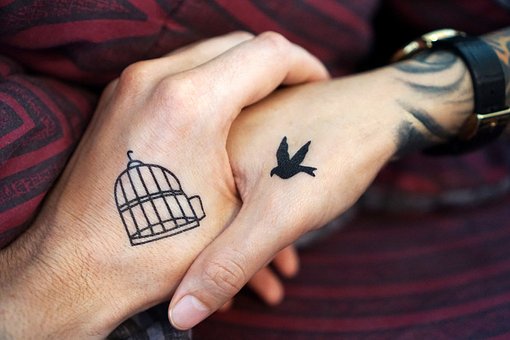
There are no known cases in the United States of anyone getting HIV this way. However, it is possible to get HIV from a reused or not properly sterilized tattoo or piercing needle or other equipment, or from contaminated ink.
It’s possible to get HIV from tattooing or body piercing if the equipment used for these procedures has someone else’s blood in it or if the ink is shared. The risk of getting HIV this way is very low, but the risk increases when the person doing the procedure is unlicensed, because of the potential for unsanitary practices such as sharing needles or ink. If you get a tattoo or a body piercing, be sure that the person doing the procedure is properly licensed and that they use only new or sterilized needles, ink, and other supplies.
The risk of workers being exposed to HIV on the job (occupational exposure) is very low, especially if they use protective practices and personal protective equipment to prevent HIV and other blood-borne infections. For workers on the job, the main risk of HIV transmission is from being stuck with an HIV-contaminated needle or other sharp object. However, even this risk is small. Scientists estimate that the risk of HIV infection from being stuck with a needle used on an HIV-infected person is less than 1%. (CDC, 2016). There is no cure for HIV. Prevention is the best practice.
Hepatitis B
Hepatitis B is a liver infection caused by the Hepatitis B virus (HBV). Hepatitis B is transmitted when blood, semen, or another body fluid from a person infected with the Hepatitis B virus enters the body of someone who is not infected. This can happen through sexual contact; sharing needles, syringes, or other drug-injection equipment; or from mother to baby at birth. For some people, hepatitis B is an acute, or short-term, illness but for others, it can become a long-term, chronic infection. Risk for chronic infection is related to age at infection: approximately 90% of infected infants become chronically infected, compared with 2%–6% of adults. Chronic Hepatitis B can lead to serious health issues, like cirrhosis or liver cancer. The best way to prevent Hepatitis B is by getting vaccinated.

How long does HBV survive outside the body?
HBV can survive outside the body at least 7 days and still be capable of causing infection.
What should be used to remove HBV from environmental surfaces?
Any blood spills — including dried blood, which can still be infectious — should be cleaned using 1:10 dilution of one part household bleach to 10 parts of water for disinfecting the area. Gloves should be used when cleaning up any blood spills.

What are the signs and symptoms of HBV infection?
The presence of signs and symptoms varies by age. Most children under age 5 years and newly infected immunosuppressed adults are asymptomatic, whereas 30%–50% of persons aged ≥5 years have initial signs and symptoms. When present, signs and symptoms can include
- Fever
- Fatigue
- Loss of appetite
- Nausea
- Vomiting
- Abdominal pain
- Dark urine
- Clay-colored bowel movements
- Joint pain
- Jaundice
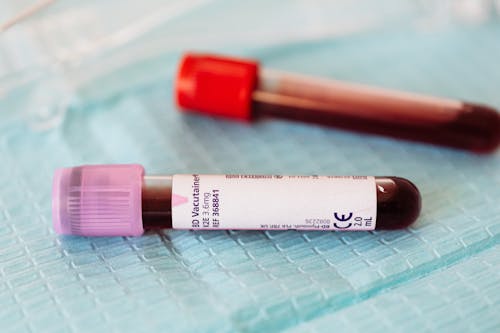
Symptoms begin an average of 90 days (range: 60–150 days) after exposure to HBV. A simple blood test can tell if you were exposed or have immunity to Hepatitis B. (CDC, 2015a)
Hepatitis C
Hepatitis C is a liver infection caused by the Hepatitis C virus (HCV). Hepatitis C is a blood-borne virus. Today, most people become infected with the Hepatitis C virus by sharing needles or other equipment to inject drugs. For some people, hepatitis C is a short-term illness but for 70%–85% of people who become infected with Hepatitis C, it becomes a long-term, chronic infection. Chronic Hepatitis C is a serious disease than can result in long-term health problems, even death. The majority of infected persons might not be aware of their infection because they are not clinically ill. There is no vaccine for Hepatitis C. The best way to prevent Hepatitis C is by avoiding behaviors that can spread the disease, especially injecting drugs.

HCV is transmitted primarily through large or repeated percutaneous (i.e., passage through the skin) exposures to infectious blood, such as
- Injection drug use (currently the most common means of HCV transmission in the United States)
- Receipt of donated blood, blood products, and organs (once a common means of transmission but now rare in the United States since blood screening became available in 1992)
- Needlestick injuries in health care settings
- Birth to an HCV-infected mother


HCV can also be spread infrequently through
- Sex with an HCV-infected person (an inefficient means of transmission)
- Sharing personal items contaminated with infectious blood, such as razors or toothbrushes (also inefficient vectors of transmission)
- Other health care procedures that involve invasive procedures, such as injections (usually recognized in the context of outbreaks)
What are the signs and symptoms of acute HCV infection? 
Persons with newly acquired HCV infection usually are asymptomatic or have mild symptoms that are unlikely to prompt a visit to a health care professional. When symptoms occur, they can include:
- Fever
- Fatigue
- Dark urine
- Clay-colored stool
- Abdominal pain
- Loss of appetite
- Nausea
- Vomiting
- Joint pain
- Jaundice
In those persons who do develop symptoms, the average time period from exposure to symptom onset is 4–12 weeks (range: 2–24 weeks).

A simple blood test for HCV antibody can tell if you have the disease. There is no vaccination for HCV. (CDC, 2015c)