
Lesson 3: Different Ways Infections Are Spread
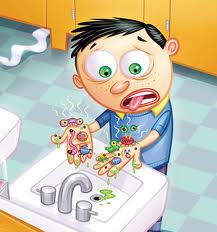
Standard precautions are a set of infection control practices used to prevent transmission of diseases that can be acquired by contact with blood, body fluids, non-intact skin (including rashes), and mucous membranes. These measures are to be used when providing care to all individuals, whether or not they appear infectious or symptomatic. Standard precautions involve standards for hand hygiene, personal protective equipment (PPE), disinfecting and cleaning, waste disposal, and respiratory hygiene (cough etiquette).
Infectious Disease – How Do We Control Them? – Video
Click on the link provided below to watch the required video.
https://www.youtube.com/watch?v=2JWku3Kjpq0
Contact Transmission
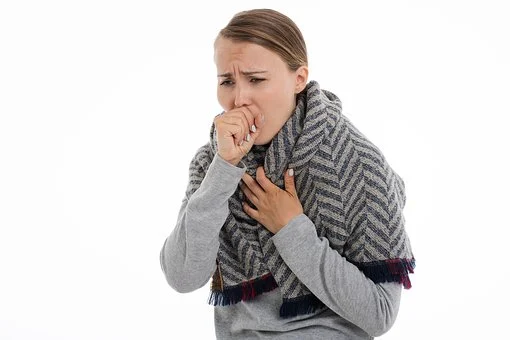
1) Direct Contact is transmission of an infectious disease by exposure to a person with the disease. There is direct contact with blood or other body fluids. Examples of direct contact transmission include kissing, hand shaking, sexual intercourse, bathing a patient, and providing any direct care activities. Specific diseases include mycoplasma pneumonia (pneumonia), Hepatitis A and B (blood virus), conjunctivitis (pink eye), Anthrax (lung and skin disease), influenza (flu), measles, herpes simplex (cold sores), and pertussis (whopping cough).

2) Indirect Contact is transmission of an infectious disease by exposure to a contaminated object or surface or vectors, there is non-human to human contact. Examples of indirect contact transmission include medical instruments, telephones, beds, washroom surface, bedside rail, doorknobs, food tray, contaminated instruments, needles, or dressings, or contaminated gloves that are changed between activities.
Employees must utilize Contact Precautions to prevent spread if pathogens from an infected person through direct (touching) or indirect (touching surfaces or objects in the person’s environment) contact.
For Contact Precautions use:
- Gloves for possible contact with an infected person.
- Washing hands thoroughly
- Disinfect surface, equipment, and objects well
Use Contact Precautions for suspected or documented:
- COVID-19 (coronavirus)
- Infectious diarrhea in diapered/incontinent persons
- Norwalk Virus (stomach flu)
- Group A strep wound infections
- Viral conjunctivitis (eye), and lice
- Scabies (hair and skin insects that cause damage or disease).
How to Reduce the Spread of Illnesses through Direct or Indirect Contact
To reduce the spread of superficial skin infections, follow hand washing and cleanliness guidelines:
- Make sure staff and children wash their hands after contact with any body fluids. Wear disposable gloves when possible.
- Use free-flowing water for hand washing, if possible. Do not use basins or stoppered sinks, which can become contaminated with the germs.
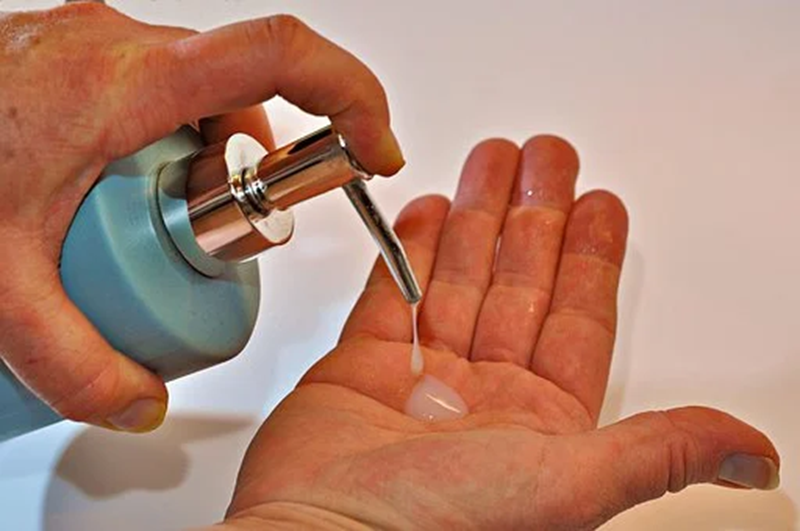
- Use liquid soap dispensers whenever possible.
- Always use disposable tissues or towels for wiping and washing.
- Never use the same tissue or towel for more than one child.
- Dispose of used tissues and paper towels in a lined, covered step can which is kept away from food and materials/equipment.
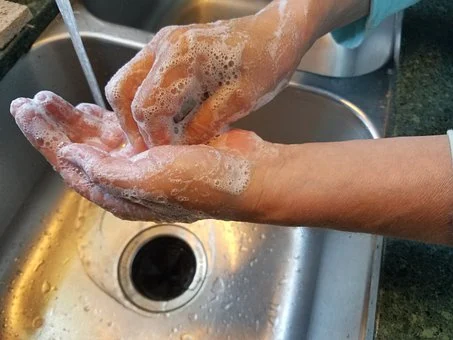
How to Reduce the Spread of Diseases through Contact with Blood and Other Body Fluids
You should treat all blood and body fluids as if they were contagious. Always wear protective gloves when handling blood or body fluids containing blood. If gloves are not available, maintain a barrier between the blood and one’s hand through the use of thick towels or gauze.
Prevention is critical! Transmission of illnesses spread through blood is very rare in some settings, and illnesses such as HIV/AIDS are not spread by casual, daily contact with infected persons. However, HIV can be transmitted where there is blood contact. For example:
- Touching blood while giving first aid with hands or body surfaces that have cuts or open sores
- Collision accidents where the skin of both people is broken and blood is exchanged
- Cleaning up blood after an accident with hands that have cuts or open sores
- The only way blood-to-blood exchange can happen through biting is for the following events to occur:
- There is an injury to the mouth of the biter.
- The bite creates a wound so serious that the skin is broken and blood flows.
- Blood is exchanged.
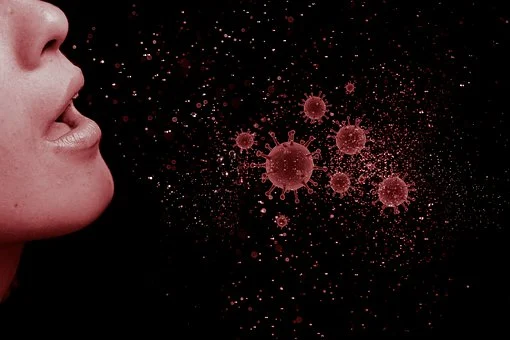
Droplet Transmission
Droplet transmission is exposure to infectious disease through inhalation of pathogens suspended on liquid particles. Examples of droplet transmissions are coughing and sneezing. Workers must utilize Droplet Precautions to prevent droplet (larger particle) transmission of infectious agents when the patient talks, coughs, or sneezes.
For Droplet Precautions use:
- Elbow to cover nose and mouth when sneezing.
- Wash hands thoroughly
- Disinfect surfaces, objects, and equipment well
Use Droplet Precautions for documented or suspected:
- COVID-19 (coronavirus)
- pneumonia
- scarlet fever (lung and skin infections)
- H. Influenza meningitis
- epiglottitis (lung and throat infection)
- Influenza
- Mumps
- Rubella (lung infection)
- Meningococcal infections (brain infection)
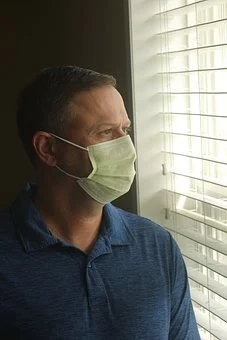
How to Prevent Droplet Infections:
- Source control: put a mask on the person or wear a mask around person coughing.
- Ensure appropriate patient placement in a single room if possible and instruct person to follow Respiratory Hygiene/Cough Etiquette recommendations (Cover nose/mouth with a tissue coughing or sneezing. When coughing, use a mask. Use disposable tissues and discard after use.)
- Use personal protective equipment (PPE) appropriately. Put on mask going into person’s home or around person. You may need to wear other personal protective equipment depending on what you are doing such as gown or apron, gloves and so forth. (CDC, 2016)
Respiratory Hygiene/Cough Etiquette
Avoid public places when experiences flu symptoms and cover your cough. It is advisable that personnel and visitors areas must have disposable hand washing equipment near sinks, or no touch hand-sanitizers, tissue and non-touch trash receptacles.
Employees should be vigilant when dealing with infectious diseases. Early identification, prompt isolation, and appropriate treatment is essential to prevent the spread to children, personnel and clients.
Control of Routes of Droplet Infection Spread
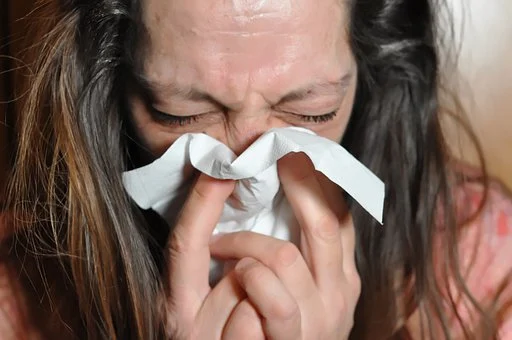
- Hand hygiene. A general term that applies to hand washing, antiseptic hand wash or antiseptic hand rub is one of the best ways to prevent transmission of infectious diseases. [Standard Precautions mandates disinfecting hands immediately after removing gloves.]
- Wearing gloves is crucial when possible exposure is anticipated. Glove selection should be based on the potential for exposure and the task that is being executed. [The use of petroleum based hand lotions or creams (like Vaseline) can impair the integrity of latex gloves, weakening them and increasing their permeability (weaken gloves and allows things to go through gloves).]
- Other significant ways to protect childcare personnel and children is by utilizing vaccination, protecting immune system and maintain a health diet.
Vector Transmission
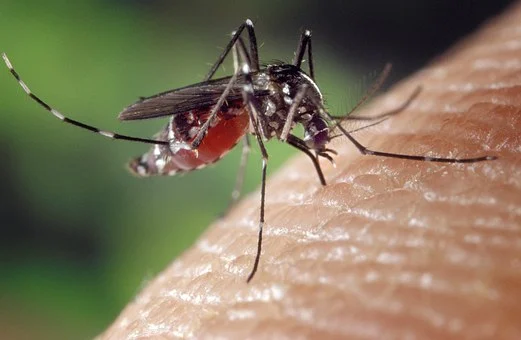
Vector transmission is transmission of an infectious disease by a vector. Vectors are animal or insects capable of spreading diseases. Vectors spread diseases through contact with susceptible host, food, and a common touch surface. Examples of vectors include mosquitoes, rats, dogs, flies, mites, and fleas. Vectors spread disease such as malaria, yellow fever, dengue fever, West Nile virus from mosquitoes; Rocky Mountain spotted fever (from ticks), and Lyme disease (from ticks).
Common vehicle of transmission refers to pathogens transmitted to the host by contaminated items such as food, water, medications, devices, and equipment.
**We are still learning about this virus, but it appears that it can spread from people to animals in some situations (CDC, 2020)**
PREVENTION STRATEGIES
- Hand washing – always – following any patient contact. Wash hands for at least 20 seconds with soap and warm water – especially if visibly soiled. Clean hands with alcohol- based hand rub if not visibly soiled.
Airborne Borne Precautions
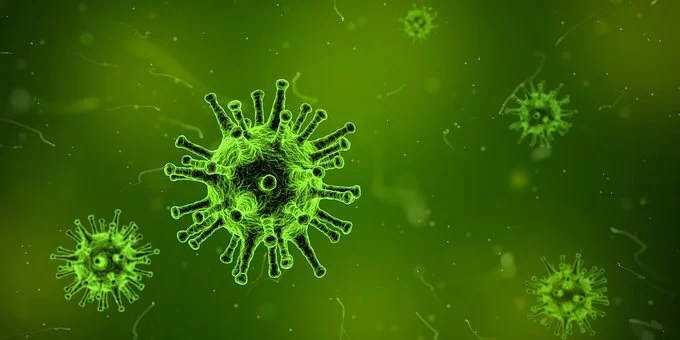
Airborne precautions are required to protect against spread of infectious agents in the air. Diseases requiring airborne precautions include but are not limited to: COVID-19 (coronavirus), Measles, Severe Acute Respiratory Syndrome (SARS) (lung disease), Varicella (chickenpox), and Mycobacterium tuberculosis (TB, tuberculosis).
Preventing airborne spread requires personal respiratory protection and special ventilation and air handling (MNDOH, 2020).
How airborne transmission occurs:
Airborne transmission occurs through the dissemination of either:
- airborne droplet nuclei (small-particles [small particle] of droplets containing germs that remain suspended in the air for long periods of time) or
- dust particles that contains the germ
Microorganisms carried by the airborne route can be widely spread by air currents and may become inhaled by a person in the same room or over a long distance from the source person – depending on environmental factors such as temperature and ventilation (fresh air) (MNDOH, 2020).
How to Reduce the Spread of Airborne Illnesses
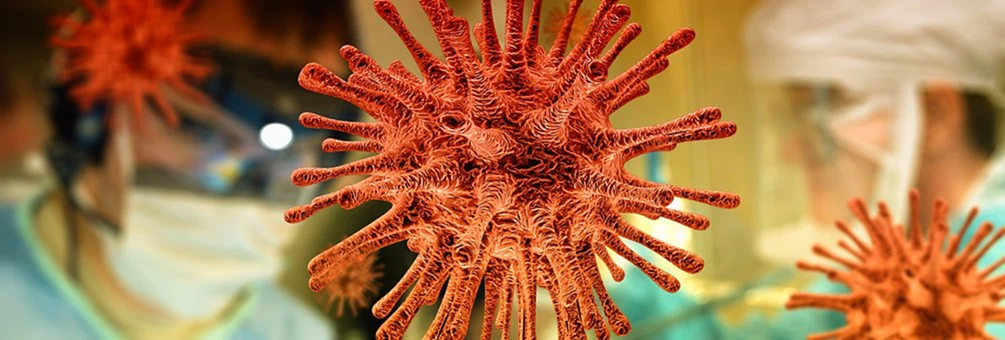
- Source control: put a mask on the patient.
- Ensure appropriate patient placement in an airborne infection isolation room (AIIR) constructed according to the Guideline for Isolation Precautions. In settings where Airborne Precautions cannot be implemented due to limited engineering resources, masking the patient and placing the patient in a private room with the door closed will reduce the likelihood of airborne transmission until the patient is either transferred to a facility with an AIIR or returned home.
- Restrict susceptible healthcare personnel from entering the room of patients known or suspected to have measles, chickenpox, disseminated zoster, or smallpox if other immune healthcare personnel are available.
- Use personal protective equipment (PPE) appropriately, including a fit-tested NIOSH-approved N95 or higher level respirator for healthcare personnel.
- Limit transport and movement of patients outside of the room to medically-necessary purposes. If transport or movement outside an AIIR is necessary, instruct patients to wear a surgical mask, if possible, and observe Respiratory Hygiene/Cough Etiquette. Healthcare personnel transporting patients who are on Airborne Precautions do not need to wear a mask or respirator during transport if the patient is wearing a mask and infectious skin lesions are covered.
- Immunize susceptible persons as soon as possible following unprotected contact with vaccine-preventable infections (e.g., measles (viral lung and kin infection, varicella [chickenpox] or smallpox (viral lung and skin infection). (CDC, 2016).
How to Reduce the Spread of Infections through Stools
Since staff who have digestive illnesses don’t always feel sick or have diarrhea, the best method for preventing the spread of these diseases is to have a constant prevention program (universal precautions) in place at your program. The hepatitis A virus, rotavirus, and giardia lamblia cysts can all survive on surfaces for periods ranging from hours to weeks.
Practice the following:
- Strict enforcement of all hand washing for adults.
- Environmental sanitation with focus on diapering, toileting and food preparation areas.
- Exclusion guidelines: Excluded staff may come back after treatment and when the consistency of diarrhea improves, or with approval of the person’s health provider.
BEST PREVENTION METHODS
According to CDC (2002):
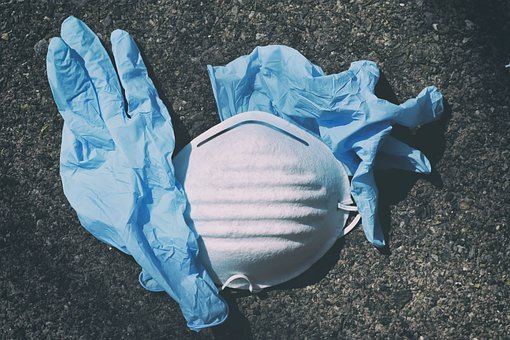
Alcohol-based hand rubs are the most efficacious agents for reducing the number of bacteria on the hands of personnel. Antiseptic soaps and detergents are the next most effective and non-antimicrobial soaps are the least effective. Soap and water are recommended for visibly soil hands. Alcohol-based hand rubs are recommended for routine decontamination of hands.
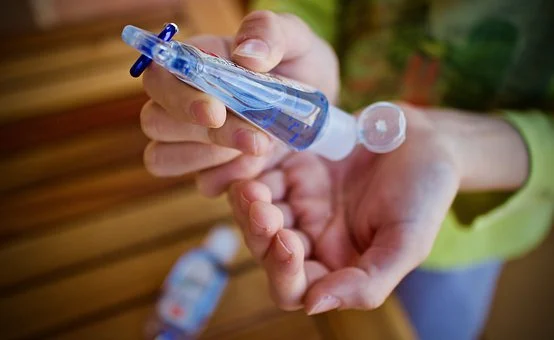
Selection of Hand-Hygiene Agents
- Provide personnel hand-hygiene products that have low irritancy potential, particularly when these products are used multiple times per day.
- When selecting non-antimicrobial soaps, antimicrobial soaps, or alcohol-based hand rubs, solicit information from manufacturers regarding any known interactions between products used to clean hands, skin care products, and the types of gloves used in your setting.
- Before making purchasing decisions, evaluate the dispenser systems of various product manufacturers or distributors to ensure that dispensers function adequately and deliver an appropriate volume of product. Do not add soap to a partially empty soap dispenser. This practice of “topping off” dispensers can lead to bacterial contamination of soap.
***IMPORTANT NOTICE***
FDA advises consumers not to use any hand sanitizer manufactured by Eskbiochem SA de CV in Mexico, due to the potential presence of methanol (wood alcohol), a substance that can be toxic when absorbed through the skin or ingested. FDA has identified the following products manufactured by Eskbiochem:
- All-Clean Hand Sanitizer (NDC: 74589-002-01)
- Esk Biochem Hand Sanitizer (NDC: 74589-007-01)
- CleanCare NoGerm Advanced Hand Sanitizer 75% Alcohol (NDC: 74589-008-04)
- Lavar 70 Gel Hand Sanitizer (NDC: 74589-006-01)
- The Good Gel Antibacterial Gel Hand Sanitizer (NDC: 74589-010-10)
- CleanCare NoGerm Advanced Hand Sanitizer 80% Alcohol (NDC: 74589-005-03)
- CleanCare NoGerm Advanced Hand Sanitizer 75% Alcohol (NDC: 74589-009-01)
- CleanCare NoGerm Advanced Hand Sanitizer 80% Alcohol (NDC: 74589-003-01)
- Saniderm Advanced Hand Sanitizer (NDC: 74589-001-01) (FDA, 2020)
Dollar Tree and Dollar Tree-owned Family Dollar sold hand sanitizer that was recalled two weeks ago by Albek de Mexico: Next Hand Sanitizer, lot numbers that ended in 1001, 1002, 1003, 1004 or 1005; NuuxSan Instant Antibacterial Hand Sanitizer, all lots; Assured Hand Sanitizer with Vitamin E and Aloe, lot No. 1931101AL; Assured Hand Sanitizer Aloe Vera, lot No. 1931102AL; and Modesa Instant Hand Sanitizer with Moisturizers and Aloe Vera, lot No. 1931104AL. Also, the Dollar Tree chains sold the Assured, Blumen and Modesa hand sanitizers in the recall by 4e Brands, a division of 4e Global, which has the most hand sanitizers on the Do Not Use list. The Do Not Use list has about 150 products listed.
The US Food and Drug Administration (FDA) list of Prohibited Hand Sanitizers is constantly being updated. Check website: https://www.fda.gov/drugs/drug-safety-and-availability/fda-updates-hand-sanitizers-consumers-should-not-use#products
Hand Washing Video
Click on the link provided below to watch the required video.
https://www.youtube.com/watch?v=IisgnbMfKvI
Importance of Hand Hygiene
Certain parts of the hand and nail bed harbor great numbers of bacteria namely staphylococci, gram-negative rods, and yeasts. Consequently, long fingernails and artificial nails should be contraindicated for some setting such as healthcare. Studies done by the CDC have shown that chipped polished nails harbor large numbers of germs (2002).
Hand Hygiene Technique
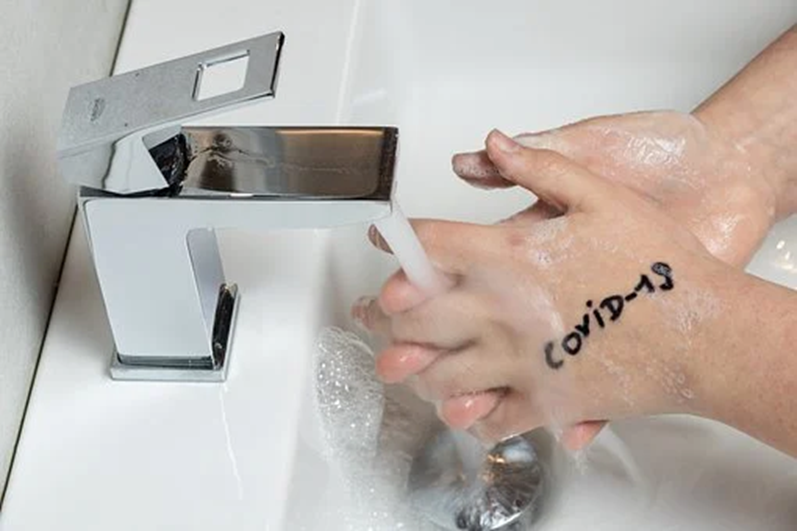
- When decontaminating hands with an alcohol-based hand rub, apply product to palm of one hand and rub hands together, covering all surfaces of hands and fingers, until hands are dry. Follow the manufacturer’s recommendations regarding the volume of product to use.
- When washing hands with soap and water, wet hands first with water, apply an amount of product recommended by the manufacturer to hands, and rub hands together vigorously for at least 20 seconds (World Health Organization recommends almost 42 seconds), covering all surfaces of the hands and fingers. Rinse hands with water and dry thoroughly with a disposable towel. Use towel to turn off the faucet. Avoid using hot water, because repeated exposure to hot water may increase the risk of dermatitis (skin irritation).
- Liquid, bar, leaflet or powdered forms of plain soap are acceptable when washing hands with a non-antimicrobial soap and water. When bar soap is used, soap racks that facilitate drainage and small bars of soap should be used. Multiple-use cloth towels of the hanging or roll type are not recommended for use in health-care settings (CDC, 2002). It would not be advised in any setting due to the pandemic.
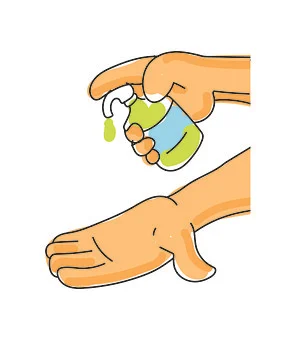
Hand hygiene is an important part of the U.S. response to the international emergence of COVID-19. Practicing hand hygiene, which includes the use of alcohol-based hand rub (ABHR) or handwashing, is a simple yet effective way to prevent the spread of pathogens and infections in healthcare settings. (CDC, 2020b)
The exact contribution of hand hygiene to the reduction of direct and indirect spread of coronaviruses between people is currently unknown. However, hand washing mechanically removes pathogens, and laboratory data demonstrate that alcohol-based hand rub (ABHR) formulations containing 80% ethanol or 75% isopropanol, both of which are in the range of alcohol concentrations recommended by CDC, inactivate SARS-CoV-2. (CDC, 2020b)
Alcohol-based Hand Rub (ABHR) effectively reduces the number of pathogens that may be present on the hands of healthcare providers after brief interactions with patients or the care environment. (CDC, 2020b)
Methods
- CDC recommends using (alcohol-based hand rub) ABHR with greater than 60% ethanol or 70% isopropanol in healthcare settings. Unless hands are visibly soiled, an alcohol-based hand rub is preferred over soap and water in most clinical situations due to evidence of better compliance compared to soap and water. Hand rubs are generally less irritating to hands and are effective in the absence of a sink.
- Hands should be washed with soap and water for at least 20 seconds when visibly soiled, before eating, and after using the restroom. (CDC, 2020b)
Factors causing lack of Hand washing:
- Hand washing agents cause irritation and dryness
- Sinks are inconveniently located/shortage of sinks
- Lack of soap and paper towels
- Often too busy/insufficient time
- Understaffing/overcrowding
- Hand hygiene interferes with health-care worker relationships with patients
- Wearing of gloves/beliefs that glove use stop the need for hand hygiene
- Lack of knowledge of guidelines/protocol (CDC, 2002)
Hand Washing and Hand Sanitizer Handout
Click on the link provided below to read the required handout.
https://www.cdc.gov/handwashing/pdf/hand-sanitizer-factsheet.pdf
Skin care
To minimize the occurrence of irritant contact dermatitis associated with hand antisepsis or hand washing, hand lotions and creams may be used. Information should be obtained from manufacturers regarding any effects that hand lotions, creams, or alcohol-based hand antiseptics.
IMPORTANT SUGGESTIONS:
- Keep natural nails tips less than 1/4-inch long.
- Wear gloves when contact with blood or other potentially infectious materials, mucous membranes, and non-intact skin could occur.
- Do not wash disposable gloves.
- No recommendation can be made regarding wearing rings in health-care settings. (CDC, 2002)
- Avoid petroleum-based lotion if latex gloves are being used.
**To improve hand-hygiene adherence among personnel who work in areas in which high workloads and high intensity of current pandemic, make an alcohol-based hand rub available in convenient locations, and in individual pocket-sized containers.**
If you have to go to the hospital or home of clients require the use of full personal protective equipment (PPE) – mask/respirator, gloves, goggles/face shield, booties etc.

Put on in this order: Gown, mask/respirator, goggles/face shield, and gloves
Remove in this order: Gloves are considered the most contaminated and should be removed first, followed by face/eye protection, gown, and mask/respirator.
[See Handout #3 – Sequence for putting on Personal Protective Equipment (PPE) and How to safely remove Personal Protective Equipment (PPE).]
GLOVES
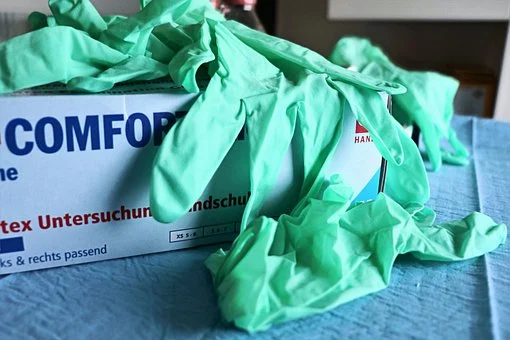
Gloves are used during childcare care, environmental services, and for other purposes. Gloves can be made from vinyl, latex, nitrile, and be sterile or non-sterile. Gloves may be for a single use or reusable. Because of allergy concerns, some facilities have eliminated or limited latex products, including gloves, and now use gloves made of nitrile or other material. Vinyl gloves are also frequently available. However, some gloves do not provide a snug fit on the hand, especially around the wrist, and therefore should not be used if extensive contact is likely. Gloves should fit the user’s hands comfortably – they should not be too loose or too tight. They also should not tear or damage easily. When using gloves work from “clean to dirty”, limit opportunities for “touch contamination,” protect yourself, others, and the environment, don’t touch your face or adjust PPE (personal Protective equipment) with contaminated gloves, and don’t touch environmental surfaces except as necessary during patient care (CDC, 2007a).
Gloves protect you against contact with infectious materials. However, once contaminated, gloves can become a means for spreading infectious materials to you or environmental surfaces. Therefore, the way gloves are worn can influence the risk of disease spreading in your setting. These are the most important do’s and don’ts of glove use. Work from clean to dirty. This is a basic principle of infection control. In this instance, it refers to touching clean body sites or surfaces before you touch dirty or heavily contaminated areas. Limit opportunities for “touch contamination” – protect yourself, others and environmental surfaces. How many times have you seen someone adjust their glasses, rub their nose or touch their face with gloves that have been in contact with a patient? This is one example of “touch contamination” that can potentially expose oneself to germs. Think about environmental surfaces too and avoid unnecessarily touching them with contaminated gloves. Surfaces such as light switches, door and cabinet knobs can become contaminated if touched by soiled gloves (CDC, 2007a).
Change Gloves:
-
- During use if torn and when heavily soiled
- After use on each child
- Discard in appropriate receptacle
- Never wash or reuse disposable gloves (CDC, 2007a)
Change gloves as needed. If gloves become torn or heavily soiled and additional tasks must be performed, then change the gloves before starting the next task. Always change gloves after use and discard them in the nearest appropriate receptacle. Patient care gloves should never be washed and used again. Washing gloves does not necessarily make them safe for reuse; it may not be possible to eliminate all microorganisms and washing can make the gloves more prone to tearing or leaking (CDC, 2007a).
Putting On and Removing Gloves Video
Click on the link provided below to watch the required video.
https://www.youtube.com/watch?v=2U4iYG2Qrhg
APRONS
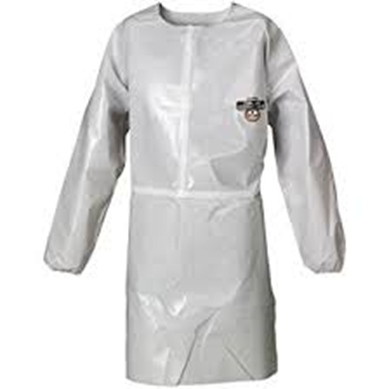

Aprons are used when spraying or splashing is anticipated. Aprons can be natural or man-made, reusable or disposable, stop fluid passing through, and clean or sterile (CDC, 2007a).
Mask
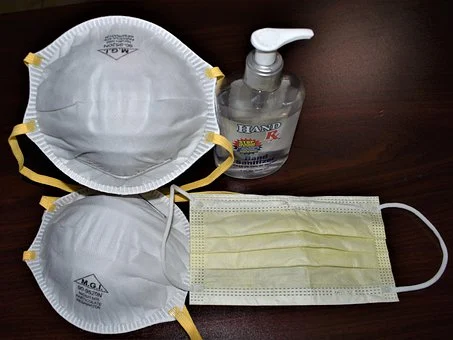
A facemask is a loose-fitting, disposable device that creates a physical barrier between the mouth and nose of the wearer and potential contaminants in the immediate environment. They may come with or without a face shield. If worn properly, a facemask is meant to help block large-particle droplets, splashes, sprays or splatter that may contain germs (viruses and bacteria), keeping it from reaching your mouth and nose. Facemasks may also help reduce exposure of your saliva and respiratory secretions to others. An N95 respirator is a respiratory protective device designed to achieve a very close facial fit and very efficient filtration of airborne particles.
Goggles
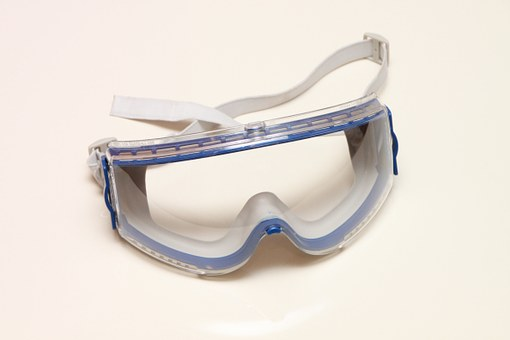
Goggles provide barrier protection for the eyes; personal prescription lenses do not provide optimal eye protection and should not be used as a substitute for goggles.
Goggles should fit snuggly over and around the eyes or personal prescription lenses.
Goggles with anti-fog features will help maintain clarity of vision. A face shield can be used as a substitute to wearing a mask or goggles. The face shield should cover the forehead, extend below the chin, and wrap around the side of the face (CDC, 2007).
Putting on and Removing Personal Protective Equipment (PPE) Video
Click on the link provided below to watch the required video.
https://www.youtube.com/watch?v=cCzwH7d4Ags
SELF-CARE During Pandemic

The COVID-19 pandemic can feel overwhelming due to new information, long work hours, and caring for your family and yourself. It’s important to pause for a moment and collect your thoughts, as worldwide pandemics can be taxing. Remaining calm can help.
It is normal to feel stressed or overwhelmed during uncertain times. Emotions in response to uncertainty may include anxiety, fear, anger and sadness. You also could feel helpless, discouraged and, occasionally, out of control. Physical responses may include headache, muscle tension, fatigue and sleeplessness. Taking care of yourself is important so you are equipped to help your family through this time. (Mayo Clinic, 2020)
Here are a few tips you can use to take care of yourself:
Physical health:
- Fuel your body by eating a healthy, well-balanced diet and drinking plenty of water.
- Aim to get seven to eight hours of sleep each night.
- Exercise every day.
- Take deep breaths and stretch often.
- Avoid risky or destructive behaviors, such as abusing alcohol or drugs, excessive gambling or ignoring public health recommendations.
- Spend time outside, such as going for a walk in the park, but follow social distancing guidelines. (Mayo Clinic, 2020)
Mental health:
- Set and maintain a routine at home.
- Focus on things you can control.
- Use technology to maintain social connections with your loved ones. Consider a regular check-in schedule to give you something to look forward to.
- Focus your thoughts on the present and things to be grateful for today.
- Listen to music or read books.
- Consume reliable news sources that report facts, and avoid media that sensationalizes emotions. Limit your exposure or take a break from news and social media if you find that it makes you anxious.
- Lean on your personal beliefs and faith for support.
- Look for ways to help your community, such as blood donations, checking on older people in your neighborhood, or donating supplies or money to local organizations.
- Acknowledge and appreciate what others are doing to help you and your community. (Mayo Clinic, 2020)
Important Note:
- Stay home if you are ill
- Staff with flu-like illness should stay home for at least 72 hours after they no longer have a fever, or signs of a fever, without the use of fever-reducing medicines. (CDC, 2020)

COVID-19 Nutrition Video
Click on the link provided below to watch the required video.
https://www.youtube.com/watch?v=2-JmbQ9Dlco
Community Boosting Foods To Add In Your Diet Video
Click on the link provided below to watch the required video.
https://www.youtube.com/watch?v=lgtbSpf2ecg